
-

Expert tips
Dare to ask about alcohol habits
Holidays often mean changed routines. We have time off, spend more time socialising and, for many people, this means drinking alcohol more often than during the working week. For most people, their habits return to normal when everyday life resumes. However, sometimes changed habits carry over into the workplace. As a manager, it is important to dare to ask when you notice that something has changed.
-

Health tips
How to stick with good habits
Many of us have developed new good habits during the summer that we would like to stick to. The challenge often lies in holding on to these positive elements when the demands and routines of everyday life take over again.
-

Expert tips
Create your personal sustainability plan
As a manager, it is easy to focus on employees, the business and results. But to be able to lead sustainably over time, your own health also needs space. Falck’s health developer, Åsa Miemois, highlights the importance of pausing and reflecting on your own wellbeing.
-
Expert tips
Victimisation – five risk areas in the work environment
Victimisation rarely begins with a single dramatic incident. Stress, lack of clarity, poor communication, or an uncivil tone that has become normalised over time often lie behind the problem. Psychologist Ulrika Funkeson highlights five risk areas that managers and HR need to pay particularly close attention to.
Expert tips
ADHD and autism in working life – focus on needs, not diagnosis
How do you talk about ADHD and autism at work without getting stuck on diagnoses? For Falck psychologist Isabelle Wikholm, it is about daring to ask, listen, and explore the interaction between the individual’s abilities and factors in their environment. The goal is to create the right conditions for everyone to be able to contribute fully at work.
-

Expert tips
Don't forget the manager's work environment
The managerial role is a meaningful and stimulating assignment. But behind the role lies a day-to-day reality that, for many, is characterised by high demands, a heavy sense of responsibility, and difficulty finding time to do everything that is expected. It is easy to talk about a manager’s leadership — more difficult is talking about the manager’s own work environment.
-

Expert tips
Raising the retirement age – how to get seniors to want and have the energy to stay
Two out of three senior employees doubt they will work until the new target retirement age, despite motivation generally being at its highest during this phase of their careers. With an increased retirement age, it becomes increasingly important to build a sustainable working life over time. That work must begin long before an employee's 67th birthday – with leadership that understands the value of senior experience.
-

Working life
New opportunity for a safer return to work
As of March 1, 2026, there are new opportunities for work trials while retaining sickness benefits – a tool that lowers the threshold for employees on 100 percent sick leave to safely test their ability to work. Here is what you as a manager or HR manager need to know.
-
Expert tips
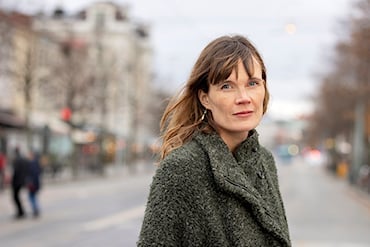
How to support employees in uncertain times
War and conflicts around the world, political polarization, and an uncertain global economy. The daily news flow can create heightened anxiety and stress, which in turn can affect the workplace. As an employer, you need to both ensure the organization's preparedness and support your employees. Here are expert tips for creating a sense of security in uncertain times.
-
Expert tips
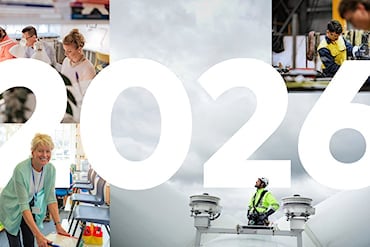
Insights for a sustainable working life in 2026
We are seeing a clear shift where long-term health and sustainable performance are prioritized over short-term productivity. At the same time, the world around us is characterized by a tougher climate with increased external threats. In parallel, psychological safety is becoming increasingly important in the workplace, where leadership plays a key role. Here, Falck's experts share their insights for building a working life that lasts.