Nordic health development also important in workplaces
Expert tips
Published
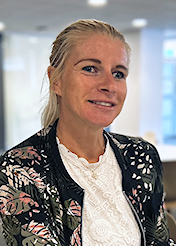
A new comprehensive Nordic study of diet, physical activity, and overweight shows that health trends are heading in the wrong direction. The report, NORMO 2025, provides a clear picture of the health situation in the Nordic region. But what does this have to do with working life in Sweden? "A great deal," says Åsa Miemois, health developer at Falck.
When the NORMO 2025 report shows that fewer and fewer people are meeting the recommendations for physical activity, dietary habits, and weight, it's easy to focus on the individual. But to understand the results, we can look at both modern work life and private life, which for many people are tightly scheduled, cognitively demanding, and difficult to pause from.
When there is little room for margin, it becomes harder to have the energy to be physically active. When energy is low, quick food solutions become the rule rather than the exception. And when recovery is neglected, the risk of both physical and mental ill health increases.
"As a manager, you can't take responsibility for an employee's lifestyle choices. But you can help create the best possible conditions for them to make good decisions about their health," says Åsa Miemois, health developer at Falck.
A manager's support is important for employee health
Leadership today requires a broader understanding of what actually affects people's health. It's not just about motivation or knowledge, but about the work environment, pace, and opportunities for recovery—factors that, in practice, determine the sustainability of one's working life.
For managers, it's about making health a natural part of their leadership. This can happen in both small and large ways: by raising issues of workload and recovery in one-on-one conversations with employees, and by talking openly within the team about workload, pace, and what is needed to perform well.
"Signal that it's okay to talk about how you are actually feeling, not just what you are delivering," says Åsa Miemois.
Signal that it's okay to talk about how you are actually feeling, not just what you are delivering
This can be especially challenging in professions where the work pace is not self-determined. In healthcare and social care, for example, the workday is often governed by schedules and tight margins.
"In those situations, we often talk about 'striped days'´. Those short, sometimes unplanned moments that open up and can be used for recovery. They become absolutely crucial."
Noticing those moments, protecting them, and helping employees use them for recovery is also a leadership responsibility—especially in operations where demands are high and the space for breaks is limited.
Flexible work arrangements are good—but not always
Flexible work arrangements and working from home are often described as the solution to stress and imbalance. It works well for many—but far from for everyone. For some, remote work leads to a more sedentary lifestyle, longer workdays, and blurred boundaries between work and leisure.
"Here, employers need to have good dialogues. Not just asking if someone wants to work from home, but why, and what it means for the individual's health."
Today, there is a strong focus on ensuring production and delivery. At the same time, monitoring stress levels, recovery, and well-being risks being overlooked. Some employees demonstrate strong self-leadership: they plan breaks, stay active, and prioritize social contexts. Others do not—and that can have long-term consequences.
When NORMO 2025 shows how public health is developing, we can choose to see it as a leadership issue. How do we build workplaces that not only deliver results but also enable long-term health? The report shows what is happening to our health. Working life may be part of the reason why.
Three ways managers can contribute to health at work
1. Create a dialogue about health Regularly talk about how work arrangements affect stress, recovery, and health—even with remote and hybrid work.
2. View the work environment as a health issue The psychosocial and physical work environment are fundamental prerequisites for good health and for having the surplus energy to make good, healthy decisions.
3. Normalize recovery Breaks, reasonable boundaries, and recovery need to be a natural part of the culture.